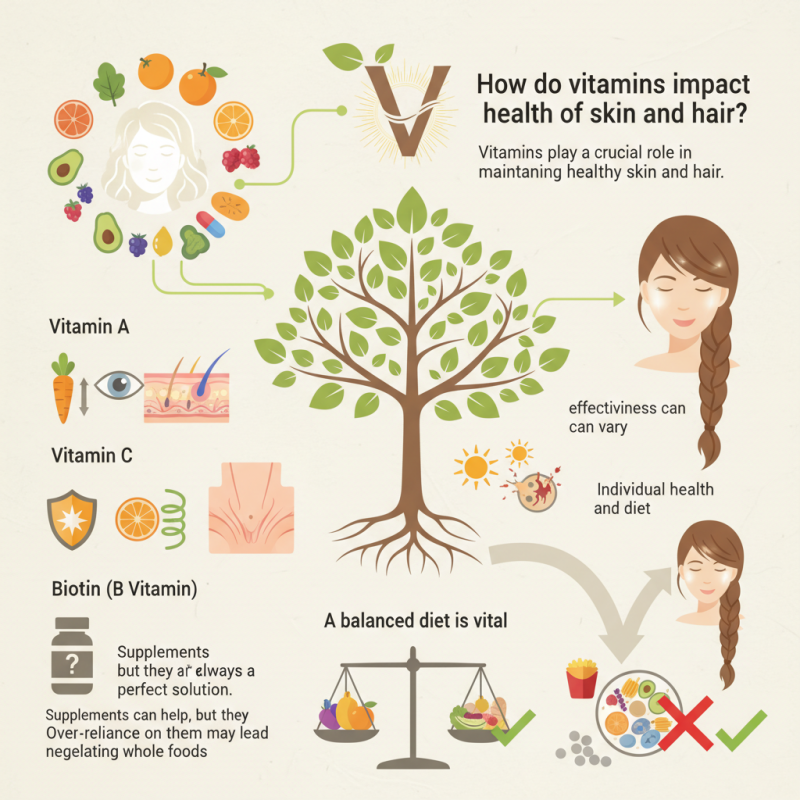
Vitamins play a crucial role in maintaining healthy skin and hair. Understanding how do vitamins affect skin and hair health is essential for everyone. Different vitamins contribute uniquely to our body. For instance, Vitamin A supports skin cell production, promoting a youthful appearance. Vitamin C aids in collagen synthesis, enhancing skin elasticity.
Moreover, Vitamin E is known for its antioxidant properties. This helps protect the skin from damage caused by free radicals. Our hair also greatly benefits from vitamins. Biotin, a B vitamin, strengthens hair and prevents breakage. However, the effectiveness of vitamins can vary based on individual health and diet.
It’s important to reflect on our lifestyles and dietary choices. Many people may overlook their nutritional intake. A balanced diet is vital to achieve optimal skin and hair health. Supplements can help, but they aren't always a perfect solution. Over-reliance on them may lead to neglecting whole foods.
The Role of Vitamins in Skin Health
Vitamins play a crucial role in maintaining healthy skin. Vitamin A is vital for skin repair and regeneration. It enhances collagen production, which keeps skin elastic and youthful. Deficiency can lead to dry and flaky skin. Sources of vitamin A include carrots, sweet potatoes, and spinach.
Vitamin C also contributes significantly to skin health. It is a powerful antioxidant that protects against sun damage. Additionally, it boosts collagen synthesis, helping reduce wrinkles. Citrus fruits, berries, and bell peppers are rich in this essential vitamin. Yet, many people do not consume enough fruits and vegetables daily.
Vitamin E is often overlooked but is essential for skin hydration. It helps to maintain the skin barrier, preventing moisture loss. Nuts, seeds, and green leafy vegetables are good sources. Many individuals may not realize they are lacking this vitamin until experiencing dry skin issues. Balancing these vitamins in your diet can profoundly affect skin health and appearance. Regular intake is more effective than relying solely on topical products.
Key Vitamins for Promoting Healthy Hair
Vitamins play a crucial role in maintaining healthy hair. Research indicates that certain vitamins contribute significantly to hair growth and overall scalp health. For example, biotin, a B-vitamin, is known to improve hair structure. Studies suggest that biotin deficiency can lead to thinning hair and hair loss. A report from the Journal of Dermatology notes that nearly 38% of women experience hair loss due to insufficient biotin levels.
Vitamin D is another key player in promoting hair follicles' health. A study published in the Archives of Dermatological Research shows a strong link between vitamin D deficiency and alopecia. The vitamin helps in the creation of new hair follicles, making it essential for maintaining hair density. Additionally, vitamin E plays a role in combatting oxidative stress on the scalp, which can lead to premature hair aging. An analysis in the Journal of Cosmetic Dermatology found that participants who took vitamin E supplements saw a 34% increase in hair growth over eight months.
Many overlook the importance of hydration alongside vitamins. While vitamins aid in hair health, the scalp needs proper moisture to absorb these nutrients effectively. An unbalanced diet or lack of hydration can impede the absorption of these vital vitamins. Achieving optimal hair health requires a holistic approach that includes both nutrient intake and scalp care.
Impact of Key Vitamins on Skin and Hair Health
Impact of Vitamin Deficiencies on Skin and Hair
Vitamin deficiencies can significantly affect the health of skin and hair.
Lack of vitamins A, C, D, and E can lead to dry skin, brittleness in hair, and premature aging.
These vitamins play crucial roles in maintaining skin elasticity and hydration. For instance,
vitamin A helps in cell turnover, while vitamin C supports collagen production.
A deficiency in these nutrients can result in dull and lifeless skin.
For healthy skin, ensure you are getting enough vitamin E.
This vitamin acts as an antioxidant, protecting skin cells from damage. You can find it in nuts, seeds, and leafy greens.
Additionally, vitamin D is vital for skin repair. Spending a little time outdoors can boost your vitamin D levels naturally.
When it comes to hair, biotin, a B vitamin, is essential for strength and growth.
A lack of biotin can lead to hair loss and thinning. Incorporate foods like eggs, avocados, and whole grains into your diet for better hair health.
If you notice increased hair shedding or weak hair, consider consulting a nutritionist to evaluate your vitamin intake.
Best Sources of Vitamins for Skin and Hair Care
Vitamins play a crucial role in maintaining healthy skin and hair. They help repair damage, boost hydration, and promote growth. Incorporating the right vitamins into your diet can greatly enhance your beauty regimen.
One important source of vitamins is fruits and vegetables. Citrus fruits, like oranges and lemons, are rich in vitamin C, which boosts collagen production. Dark leafy greens provide vitamin A, essential for skin renewal. Nuts and seeds contain vitamin E, known for protecting skin from oxidative stress. These foods are easily accessible and can make a difference.
Animal products also offer vital vitamins. Eggs are packed with biotin, supporting hair strength and texture. Fatty fish, such as salmon, supply omega-3 fatty acids and vitamin D, both beneficial for skin health. However, not everyone includes these in their diet. This can lead to deficiencies and visible effects on skin and hair. Exploring diverse food sources can aid in achieving a more balanced intake of vitamins, nurturing your beauty from the inside out.
How do vitamins impact the health of skin and hair? - Best Sources of Vitamins for Skin and Hair Care
| Vitamin |
Benefits |
Best Sources |
| Vitamin A |
Promotes healthy skin cell production and repair |
Carrots, sweet potatoes, spinach |
| Vitamin C |
Supports collagen production for skin elasticity |
Citrus fruits, bell peppers, strawberries |
| Vitamin D |
Enhances skin immune system and helps repair skin |
Sun exposure, fatty fish, fortified milk |
| Vitamin E |
Acts as an antioxidant, protecting skin from damage |
Nuts, seeds, spinach |
| B Vitamins |
Promotes hair growth and healthy skin cell metabolism |
Whole grains, meat, eggs, dairy |
| Biotin (B7) |
Strengthens hair and prevents hair loss |
Egg yolks, nuts, legumes |
Recommended Daily Intake of Vitamins for Optimal Hair and Skin
Vitamins play a vital role in maintaining healthy skin and hair. Each vitamin contributes uniquely to their health. For instance, vitamin A helps with skin repair and cell production. Vitamin C is key for collagen synthesis, giving skin its elasticity. Ensuring adequate vitamin intake is essential for a radiant appearance.
The recommended daily intake varies depending on age and gender. For adults, vitamin A should be around 900 mcg, while vitamin C should be 75 mg for women and 90 mg for men. Biotin is often praised for hair health; a daily dose of 30 mcg is recommended. Zinc is also crucial, with about 11 mg needed for men and 8 mg for women.
Tips to incorporate these vitamins: Include carrots and spinach in your diet for vitamin A. Citrus fruits are excellent for vitamin C. Nuts and seeds can provide biotin. Don’t forget that excessive vitamin intake can also lead to negative effects. Balance is important. Reflect on your diet and consider adjustments to ensure you're meeting these nutritional needs effectively. Regular check-ups can help you track your vitamin levels.
FAQS
: Vitamin A, C, D, and E are vital for maintaining healthy skin.
It enhances collagen production, promoting skin elasticity and regeneration.
Citrus fruits, berries, and bell peppers are rich in vitamin C.
It helps maintain skin hydration and prevents moisture loss from the skin barrier.
A deficiency can hinder skin repair and overall skin health.
Biotin deficiency can lead to hair thinning and loss; eat eggs and avocados for better results.
Assess your vitamin intake, focusing on vitamins A and E for hydration.
Yes, consistent dietary vitamins have a more profound effect on skin health.
Spend some time outdoors to increase vitamin D production in your body.
Look for dull skin, dryness, brittleness in hair, and hair loss as key indicators.
Conclusion
Vitamins play a crucial role in maintaining the health of skin and hair by providing essential nutrients that support various biological functions. Specifically, vitamins such as A, C, D, E, and various B vitamins contribute to hydration, elasticity, and overall appearance of the skin, while also promoting hair strength and growth. Understanding how do vitamins affect skin and hair health can help individuals make informed dietary choices and include specific vitamins that target these issues.
Vitamin deficiencies can lead to various skin and hair problems, including dryness, premature aging, and hair loss. To counter these effects, it is important to consume a balanced diet rich in vitamins, with sources including fruits, vegetables, nuts, and whole grains. Moreover, adhering to recommended daily intakes ensures optimal skin and hair health, enhancing their appearance and overall vitality.

 SehatiCore Supplement