Understanding the role of plant-based extracts in supplements is essential for informed health choices. Plant extracts have been used for centuries in traditional medicine. Today, they play a significant part in modern dietary supplements. But what is the role of plant-based extracts in supplements? This question opens a discussion on their benefits, mechanisms, and limitations.
Many supplements tout plant extracts as natural solutions for health issues. Common extracts include turmeric, ginseng, and green tea. These plants offer antioxidants and anti-inflammatory properties. However, not all claims are backed by science. Research varies in quality and credibility. It's crucial to scrutinize the sourcing and preparation of these extracts. Quality can significantly impact effectiveness and safety.
While plant extracts can enhance supplements, they are not a cure-all. Users should reflect on their individual needs. Consulting healthcare professionals can help tailor supplement choices. This careful consideration can ensure that the benefits of plant-based extracts contribute positively to overall health. A nuanced understanding is vital in navigating this growing market.
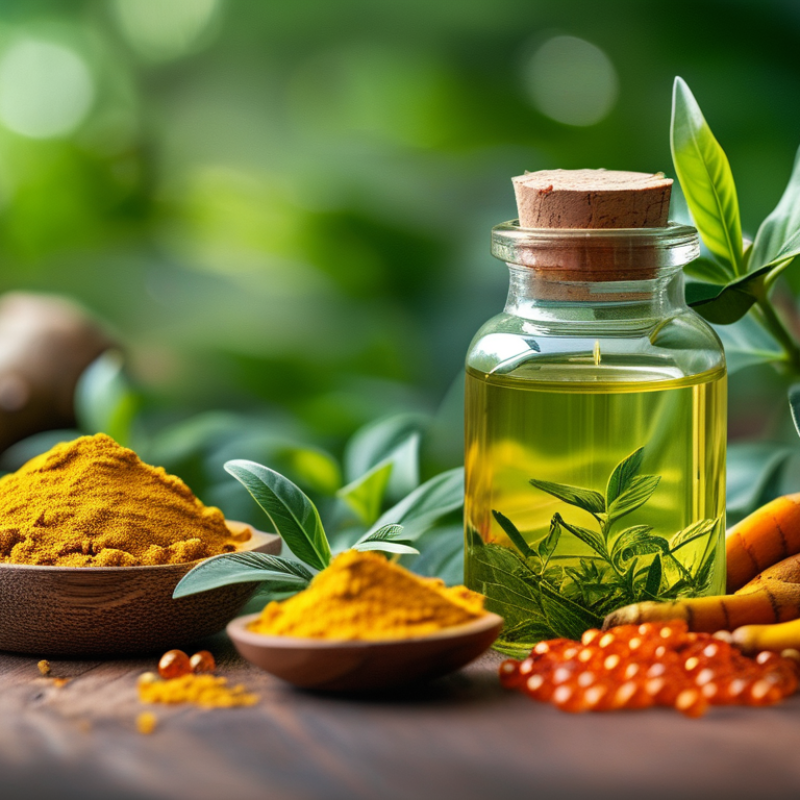
Plant-based extracts are gaining attention in the supplement industry. According to a recent market report by Grand View Research, the global plant extracts market is projected to reach USD 55.5 billion by 2027. These extracts are known for their potential health benefits and natural origins. From turmeric's anti-inflammatory properties to ashwagandha's stress-relieving effects, the diversity of plant extracts offers numerous advantages.
Many consumers are leaning toward natural supplements. This shift reflects a growing demand for products that align with holistic health practices. However, it’s crucial to note that not all extracts are equally effective. Quality varies, and some may lack proper clinical backing. Ensuring the source and extraction process is valuable. Look at certificates and lab tests before making a decision.
Tips: Always check the concentration levels of active compounds in extracts. Additionally, consider your personal health goals. Consult healthcare professionals before starting any new supplement regimen. The effectiveness and safety of plant-based extracts can depend on individual conditions and existing medications. Balance is key. More products do not always equal better health outcomes.
Plant-based extracts are gaining popularity in dietary supplements. Their benefits are diverse, depending on the source. Many extracts offer unique health support, with each plant contributing different properties.
For instance, turmeric extract is known for its anti-inflammatory effects. Curcumin, the active component, is often highlighted for its potential in pain relief. Another common extract is elderberry, praised for its immune-boosting qualities. Studies suggest it may help reduce the duration of colds. Both extracts are integral in promoting health and wellness.
However, not all plant extracts are created equal. Quality can vary significantly. Some supplements may contain lower concentrations, which could limit their effectiveness. Users should be cautious and check for purity and sourcing. It's crucial to recognize that while these extracts can aid health, they are not a replacement for a balanced diet or professional medical advice.
Plant-based extracts have gained significant attention in health supplements. Their mechanisms of action often stem from complex phytochemicals. These compounds can influence various biological pathways. For instance, polyphenols found in many plants are known for their antioxidant properties. Studies have shown that they may reduce oxidative stress, thereby supporting cellular health.
Moreover, specific extracts, like curcumin from turmeric, have shown anti-inflammatory effects. Research indicates that curcumin can modulate inflammatory cytokines, which may help in managing chronic diseases. In a recent report, 70% of participants noted improved joint health after taking supplements with curcumin for eight weeks. This highlights the extract's potential benefits in everyday supplements.
On the other hand, reliance on plant extracts can be challenging. Variability in potency across different sources can affect efficacy. Not all extracts are created equal, and the extraction method plays a crucial role. Understanding these nuances is vital for consumers. As the market grows, ongoing research will be essential to validate these health claims and optimize usage.
| Plant Extract | Mechanism of Action | Health Benefits | Common Uses |
|---|---|---|---|
| Turmeric Extract | Anti-inflammatory and antioxidant effects | Reduces inflammation, supports joint health | Joint formulas, anti-inflammatory supplements |
| Ginger Extract | Digestive aid and anti-nausea properties | Supports digestive health, alleviates nausea | Digestive health supplements, anti-nausea products |
| Green Tea Extract | Rich in polyphenols, boosts metabolism | Aids weight loss, enhances cognitive function | Weight management, cognitive boosters |
| Milk Thistle Extract | Supports liver function and detoxification | Promotes liver health, aids in detoxification | Liver support supplements, detox products |
| Ashwagandha Extract | Adaptogenic properties, stress reduction | Reduces stress, enhances overall well-being | Stress relief, adaptogen blends |
Plant-based extracts are gaining attention in the supplement industry. Many consumers believe these extracts offer health benefits. However, understanding their safety and efficacy is crucial. Not all extracts are created equal. Some may interact with medications or lead to adverse effects. Choosing the right extract requires careful consideration.
Research shows that certain plant extracts have proven benefits. For instance, turmeric may reduce inflammation. However, not all studies agree on effectiveness. Quality and concentration matter significantly. Some supplements may contain minimal amounts of the active ingredient. This can mislead users regarding expected outcomes.
While many people report positive experiences with plant-based supplements, scientific evidence can vary. The source and preparation of extracts play a role in their performance. Some individuals may also experience sensitivities. Regular monitoring of your body's response to these supplements is essential. Keeping a journal may help identify any negative reactions.
The market for plant-based supplements is experiencing significant growth. According to a report by ResearchAndMarkets, the global plant-based supplements market is projected to reach $36.5 billion by 2026. This upward trend reflects increasing consumer awareness of health benefits linked to natural ingredients. Plant extracts such as turmeric and ashwagandha are gaining attention for their potential anti-inflammatory properties and stress-relief benefits, respectively.
Emerging trends include a surge in interest for sustainable sourcing and organic certifications. Consumers are becoming more conscious of the ecological impact of their purchases. For instance, a recent survey showed that 58% of consumers prefer supplements derived from plant sources over synthetic alternatives. This shift aligns with growing concerns for health and the environment, making plant extracts an increasingly popular choice.
However, challenges remain. Not all plant extracts are backed by strong scientific evidence. Some claims about efficacy are overstated. Proper sourcing and formulation practices are critical, yet not always transparent. Consumers need to be informed about the quality and concentration of plant extracts used in supplements. The path forward involves not just embracing plant-based ingredients but also ensuring they are effectively and ethically sourced.
: They contain phytochemicals that influence biological pathways and provide antioxidant effects.
Polyphenols reduce oxidative stress, supporting cellular health and preventing damage.
Curcumin is extracted from turmeric. It has anti-inflammatory effects and can manage chronic diseases.
No, potency can vary widely among sources, affecting their efficacy and health benefits.
Proper sourcing ensures quality and concentration, impacting the effectiveness of the extracts used.
Many consumers prefer plant-derived supplements over synthetic ones due to health concerns.
About 70% noted improvements after eight weeks of supplementation.
No, some claims are overstated. Science is still catching up with market trends.
Consumers increasingly prefer sustainably sourced and organic supplements for health and environmental reasons.
They need to be aware of the transparency in sourcing and formulation practices.
The article "How to Understand the Role of Plant Based Extracts in Supplements?" provides a detailed exploration of the significance of plant-based extracts in the dietary supplement industry. It begins with a comprehensive overview of these extracts, explaining their growing popularity and application in various supplements. The piece categorizes the different types of plant-based extracts commonly used, highlighting their unique properties and benefits for health.
Crucially, it addresses the mechanisms of action, illustrating how these extracts contribute to overall well-being. Safety and efficacy are also evaluated, ensuring that consumers can make informed choices about their use. Finally, the article discusses future trends in plant-based supplements, emphasizing the increasing consumer demand for natural ingredients. Overall, it answers the question of what is the role of plant-based extracts in supplements, underscoring their potential in promoting health and wellness.

SehatiCore Supplement