How to Improve Absorption of Functional Ingredients?

Time:2026-09-25 Author:Mason
0%

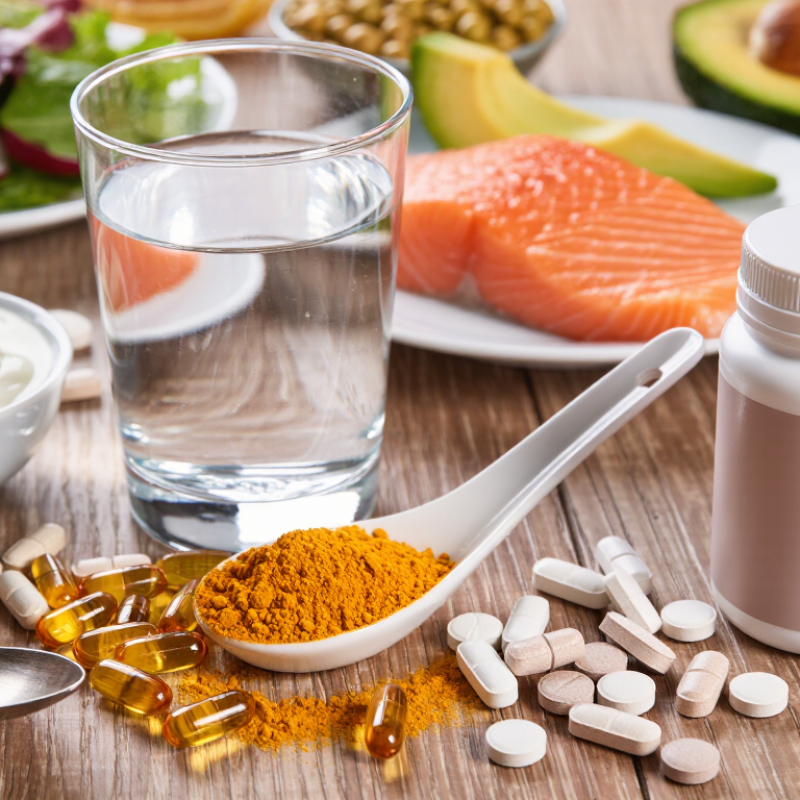
Functional ingredients can look impressive on a label, yet the body must still absorb and use them. That gap matters. Curcumin, omega-3 fats, minerals, and plant compounds each behave differently during digestion. Their form, dose, meal composition, and a person’s health can all influence how much becomes available. So, how to improve absorption of functional ingredients is not one simple formula.

Start with the ingredient itself. Some fat-soluble nutrients are better absorbed when taken with a meal containing fat, while certain minerals may be affected by other nutrients or compounds in food. The details depend on the ingredient and the evidence behind its formulation. A capsule, powder, or fortified drink may also release its contents differently. Small choices matter. Timing can matter, too.

Look for human studies on the specific ingredient and product form, not just broad claims about a whole category. Check serving size, testing information, and clear instructions. For example, a label may recommend mixing a powder into yogurt or taking a capsule with food; follow those directions unless a qualified health professional advises otherwise. People taking medication, managing a condition, or experiencing persistent digestive symptoms should ask a clinician or pharmacist before changing their routine.

Absorption is not the same as health benefit. More is not automatically better. Even a well-designed product may work differently from person to person, and research can leave unanswered questions. That uncertainty deserves attention, not hype.
How to Improve Absorption of Functional Ingredients?

Map the Absorption Pathway from Digestion to Circulation

How to Improve Absorption of Functional Ingredients?

Improving absorption starts with mapping the ingredient’s journey through the body. In formulation work, I examine each stage instead of treating digestion as a single event. A capsule may encounter stomach acid, digestive enzymes, bile salts, and changing pH levels. Some compounds dissolve quickly. Others remain trapped in food particles or pass through unchanged.

The small intestine is often the critical checkpoint. Bile can form micelles that carry fat-soluble compounds toward the intestinal surface. Transport proteins may then move selected molecules into enterocytes. From there, ingredients can enter the portal vein and reach the liver before circulating through the body. This first-pass effect may reduce the amount that remains available. Particle size, food timing, solubility, and intestinal stability can all influence the result.

Small details matter. A poorly dispersed powder may leave visible residue in a glass, while a well-designed delivery system spreads more evenly. Yet appearance alone proves little. I would compare dissolution testing, simulated digestion, and human pharmacokinetic data before making strong claims. Blood levels also do not capture every biological effect. No single test tells the whole story. Results can vary with meals, age, gut health, and study design. That uncertainty deserves clear wording, not polished promises.

How to Improve Absorption of Functional Ingredients?

Mapping the absorption pathway from digestion to circulation through representative gastrointestinal pH conditions.

Functional ingredients must remain stable during gastric digestion, dissolve effectively in the small intestine, and cross the intestinal barrier. Most nutrient absorption occurs in the small intestine: water-soluble compounds generally enter portal blood circulation, while many long-chain lipids are transported first through the lymphatic system. Formulation strategies should therefore consider pH stability, solubility, digestive release, and intestinal permeability.

Values show representative midpoint estimates from commonly reported physiological gastrointestinal pH ranges; individual values vary with meals, health status, and measurement method.

Choose Delivery Systems That Match Each Ingredient’s Solubility

How to Improve Absorption of Functional Ingredients?

A functional ingredient may be valuable, yet poorly absorbed in the body. Solubility often explains this gap. Oil-soluble compounds usually need lipid-based delivery systems, such as emulsions or soft gels. Water-soluble ingredients may perform better in aqueous solutions, powders, or fast-dispersing formats. Matching the system to the ingredient is not a cosmetic choice. It affects dispersion, stability, and absorption.

In formulation work, I would begin by measuring solubility across relevant pH levels. A compound that dissolves in a laboratory solvent may behave differently in the digestive tract. Particle size, surface area, and mixing temperature also matter. For oil-soluble ingredients, a carefully designed emulsion can create smaller droplets and improve contact with digestive fluids. However, smaller is not always better. Excessive processing may damage sensitive compounds or increase production costs.

Practical testing should include dissolution, stability, and simulated gastrointestinal studies. Human data remains more reliable than promising laboratory results. I have seen formulas look excellent in a clear glass, then separate after several weeks. That failure is useful evidence. It may reveal unsuitable carriers, poor pH control, or inadequate protection from light and oxygen. Delivery systems should therefore be selected through measured performance, not fashionable terminology. Formulators also need to consider taste, dose size, manufacturing conditions, and the ingredient’s intended use. No system is perfect.

How to Improve Absorption of Functional Ingredients? - Choose Delivery Systems That Match Each Ingredient’s Solubility
Functional ingredient Typical solubility characteristic Potentially suitable delivery system Why the match may help Formulation considerations
Curcumin Poorly soluble in water; lipophilic. Lipid-based formulation, oil-in-water emulsion, or encapsulation in a suitable carrier. A lipid-compatible system can help disperse this poorly water-soluble compound in a food or supplement format. Protect from light and oxidation where appropriate. Improved dispersion does not guarantee a specific increase in absorption.
Vitamin D3 Fat-soluble and poorly soluble in water. Oil-based drops or capsules; an emulsion may suit water-based products. An oil or emulsified carrier keeps the ingredient compatible with a lipid phase and can support even distribution. Consider light, heat, and oxygen sensitivity, as well as the stability of the finished product.
Coenzyme Q10 (CoQ10) Highly lipophilic with low water solubility. Oil-based softgel or another appropriately designed lipid-based system. A lipid carrier is better suited to dispersing a lipophilic ingredient than a plain aqueous solution. Solubility and stability depend on the specific formulation; verify performance in the final product.
Vitamin C (ascorbic acid) Water-soluble. Aqueous solution, powder, or tablet; encapsulation can be considered when protection or controlled release is needed. A water-based format suits its solubility and can allow it to dissolve without requiring a lipid carrier. Manage exposure to moisture, heat, oxygen, and unsuitable pH conditions to limit degradation.
Beta-carotene Fat-soluble; poorly soluble in water. Oil dispersion or oil-in-water emulsion for products that need an aqueous base. A lipid phase can help disperse this carotenoid in a formulation where it would otherwise separate or remain poorly dispersed. Carotenoids can be sensitive to light and oxygen; use suitable packaging and assess color and stability.
Omega-3 fatty acids (EPA and DHA) Lipid-soluble oils; not water-soluble. Oil-based capsules or a stabilized emulsion for beverages and other water-based foods. An oil-based format matches the ingredient’s physical properties; emulsification can help distribute oil droplets through an aqueous product. Control oxidation with appropriate processing, antioxidants where suitable, and protective packaging.
Ferrous sulfate (iron) Water-soluble iron salt. Aqueous solution, tablet, or powder; select a different iron form or protective coating if taste or product interactions are concerns. Its water solubility makes an aqueous format feasible; the delivery choice can also address sensory and compatibility needs. Iron absorption varies with iron status, dose, and meal composition. Check interactions, stability, and tolerability for the intended use.
Formulation note: Solubility is only one factor affecting absorption. Ingredient form, dose, food matrix, processing, stability, and individual physiology also matter. Confirm suitability and performance with product-specific testing.

Use Bioavailability Enhancers: Piperine Raised Curcumin Exposure 2,000% in a Human Study

How to Improve Absorption of Functional Ingredients?

Many functional ingredients perform poorly in the body because absorption is limited. Curcumin is a familiar example. A human pharmacokinetic study reported that piperine increased curcumin exposure by about 2,000%. That sounds dramatic. However, exposure is not the same as a guaranteed health benefit. The study measured blood levels, not every possible outcome.

Piperine may improve absorption by influencing intestinal transport and metabolism. In practical terms, pairing these ingredients can help more curcumin reach circulation. The effect may depend on dose, meal composition, digestive health, and the product’s formulation. Small details matter, including particle size and ingredient quality. One capsule does not behave exactly like another.

There is also a point worth questioning. A stronger absorption enhancer is not automatically better. Piperine may affect how the body processes certain medicines and other compounds. People using prescription drugs, or those with sensitive digestion, should seek professional guidance before combining supplements. Manufacturers should provide identity testing, contaminant screening, and clear dosage information. Consumers deserve evidence, not only impressive percentages. More research is still needed on long-term use, individual responses, and clinically meaningful results.

Adjust Dose and Timing: Vitamin C Absorption Falls Below 50% Above 1,000 mg

How to Improve Absorption of Functional Ingredients?

Vitamin C dose deserves closer attention. The NIH Office of Dietary Supplements reports that the body absorbs approximately 70–90% of vitamin C from moderate doses, but absorption becomes less efficient at higher intakes. Above 1,000 mg, the absorbed fraction can fall below 50%. This does not mean the body absorbs less than 500 mg in every case. It means the percentage absorbed declines as the dose rises. That distinction is often missed.

Smaller doses may work better. A 250–500 mg serving with breakfast and another serving later can provide steadier exposure than one large dose. The Linus Pauling Institute also describes dose-dependent absorption, supporting this split-dose approach. Water matters, but timing is not magic. Taking vitamin C with food may improve comfort, especially for people who notice stomach irritation on an empty stomach. Individual response still varies.

In product testing, a large serving can look impressive on a label. It may not deliver proportional value. The intestine has transport limits, and excess vitamin C is mainly eliminated through urine. More is not automatically better. I would review the serving size, meal timing, and total daily intake before increasing the dose. Evidence is strong for dose-dependent absorption, but real-world outcomes remain less predictable than laboratory numbers. That uncertainty deserves honest communication.

Evaluate Results with Human Pharmacokinetic Data, Not Label Claims

How to Improve Absorption of Functional Ingredients?

Evaluate Results with Human Pharmacokinetic Data, Not Label Claims

A label can describe ingredient amounts, but it cannot prove absorption. “High potency” does not show how much reaches human circulation. In practical formulation work, I look for ethically approved human pharmacokinetic studies. These studies should report plasma concentration over time, not only laboratory dissolution results.

Useful measures include Cmax, Tmax, and AUC. Cmax shows the highest observed concentration. Tmax indicates how quickly that point appears. AUC estimates total exposure during the measured period. Researchers should also explain the study design, sample size, food conditions, and analytical method. A randomized crossover design can reduce differences between participants. Even then, digestion varies widely.

Real bodies are unpredictable.

A promising powder may perform differently after breakfast, exercise, or a poor night’s sleep. I would compare the same ingredient across formulations under controlled conditions, while checking confidence intervals and individual responses. A statistically significant result may still have limited practical value. That distinction is easy to miss.

Small studies can also create false confidence. Short sampling windows may overlook delayed absorption. Unclear reporting can hide important weaknesses. I have sometimes treated a clean graph as stronger evidence than it deserved. That is a useful mistake to remember. Better absorption claims require transparent human data, validated testing, and realistic attention to variability.

FAQS

Why does solubility matter when choosing a delivery system?

Solubility affects how an ingredient disperses, stays stable, and may be absorbed. The format should match the ingredient.

Which formats may suit oil-soluble and water-soluble ingredients?

Oil-soluble ingredients may suit emulsions or soft gels. Water-soluble ingredients may work in aqueous solutions, powders, or fast-dispersing formats.

What should formulators test before selecting a delivery system?

Measure solubility at relevant pH levels. Test dissolution, stability, and simulated digestion. Laboratory results alone are not enough.

Can smaller emulsion droplets always improve absorption?

Not always. Smaller droplets may improve contact with digestive fluids, but excessive processing can damage sensitive ingredients or raise costs.

Why might a formula separate after several weeks?

The carrier, pH control, or protection from light and oxygen may be unsuitable. A clear glass is not proof of lasting stability.

How does vitamin C dose affect absorption?

Moderate doses are generally absorbed more efficiently. Above 1,000 mg, the absorbed percentage may fall below 50%; this does not mean every person absorbs under 500 mg.

Could splitting a vitamin C dose be useful?

A 250–500 mg serving with breakfast and another later may provide steadier exposure than one large serving. Individual responses vary.

Does taking vitamin C with food make a difference?

It may improve comfort for people who get stomach irritation on an empty stomach. Timing is not magic.

Is a larger serving automatically better?

No. The intestine has transport limits, and excess vitamin C is mainly eliminated in urine. I would still want clearer real-world evidence before making broad promises.

Conclusion

How to improve absorption of functional ingredients starts with understanding the entire journey from digestion to circulation. Each ingredient behaves differently according to its solubility, stability, and interaction with the digestive system. Water-soluble compounds may benefit from liquid or rapidly dissolving formats, while fat-soluble ingredients often require lipid-based delivery systems and appropriate dietary fat. Selecting a delivery method that matches the ingredient’s properties can help support more consistent uptake.

Bioavailability enhancers may also improve exposure; for example, a human study reported that piperine increased curcumin exposure by approximately 2,000%. Dose and timing are equally important, since absorption is not always proportional to dose. Vitamin C absorption, for instance, may fall below 50% when intake exceeds 1,000 mg. Ultimately, effectiveness should be assessed through human pharmacokinetic data, including blood concentration and exposure measurements, rather than relying solely on label claims. This evidence-based approach helps refine formulation, dosage, and timing for better absorption outcomes.

Mason

Mason

Mason is a seasoned marketing professional with a deep expertise in the company's offerings and a passion for driving brand awareness. With a strong background in digital marketing strategies, he has an innate ability to connect with diverse audiences and effectively communicate product benefits.......