The distinction between organic and conventional raw materials is becoming increasingly important. Consumers are more aware of how their choices affect health and the environment. Understanding what makes organic raw materials different from conventional ones can help buyers make informed decisions.
Organic materials are produced without synthetic pesticides, fertilizers, or genetically modified organisms. This means they are often safer for consumption. Many studies suggest that organic ingredients have higher nutrient levels. However, the accessibility and cost of these products can be challenging for some consumers. It raises questions about fairness and sustainability in food production.
The debate around organic versus conventional raw materials is ongoing. Some argue that organic products may not always be worth the higher price. Others emphasize the environmental benefits and the potential for better health outcomes. Exploring these differences invites reflection on personal values and priorities in food choices.
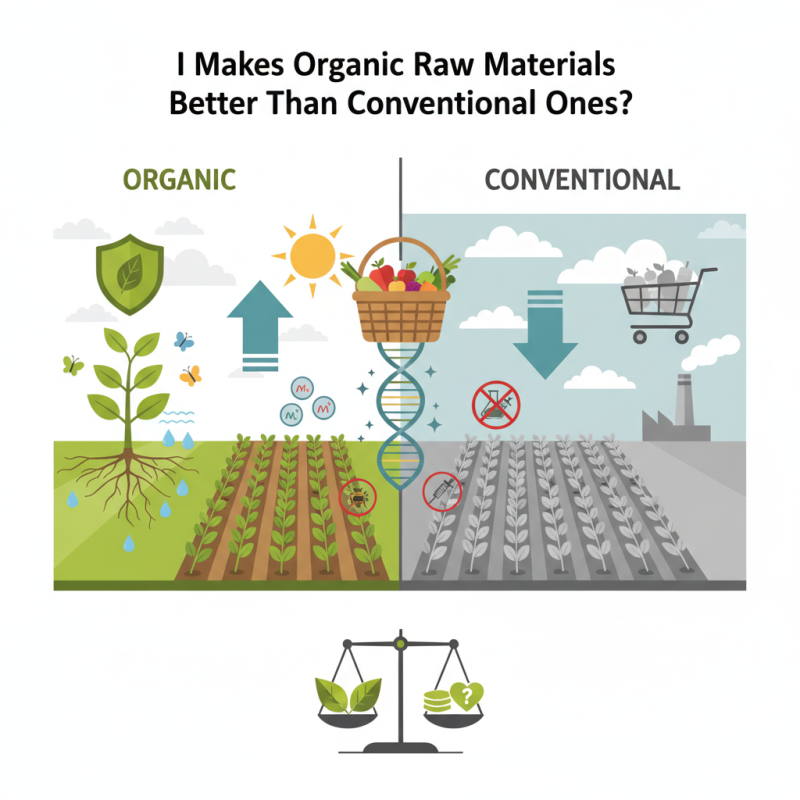
The comparison between organic and conventional raw materials reveals striking differences. Organic raw materials are grown without synthetic fertilizers or pesticides. According to the USDA, organic farming enhances soil health, promoting biodiversity. This, in turn, leads to more resilient ecosystems. Conventional methods often degrade soil over time, causing nutrient depletion.
In terms of nutritional value, studies show organic produce can contain higher levels of antioxidants. Research published in the British Journal of Nutrition indicates that organic fruits and vegetables often provide 20-30% more antioxidants than their conventional counterparts. However, some argue that the cost of organic products can be prohibitive. This raises questions about accessibility and consumer choice.
Environmental impact is another critical factor in this discussion. Organic farming practices tend to reduce pollution and conserve water. However, yields can sometimes be lower than conventional farming, which poses challenges for meeting global food demand. Balancing these factors is essential for future sustainability in agriculture.
This chart illustrates the comparison between organic and conventional raw materials across various criteria including nutrient content, pesticide residue, environmental impact, flavor profile, and cost. Organic raw materials generally score better in terms of health benefits and environmental sustainability.
Organic raw materials offer distinct nutritional benefits compared to conventional ones. Research indicates that organic produce often contains higher levels of essential vitamins and minerals. A study published in the British Journal of Nutrition found that organic fruits and vegetables can have up to 50% more antioxidants. These compounds play a vital role in reducing oxidative stress in the body, which can prevent chronic diseases.
Additionally, organic farming practices limit the use of synthetic pesticides and fertilizers. This has implications for nutrient density. A report by the European Union found that organic dairy products had higher omega-3 fatty acids. These fatty acids are crucial for heart health and brain function. Despite these benefits, some might argue that organic products are more expensive and less accessible. Balancing the cost with nutritional value is important.
The debate over organic versus conventional often lacks nuance. While many studies highlight organic's advantages, some question the long-term benefits. More research is needed for a comprehensive understanding. Organic food can sometimes spoil faster due to the absence of preservatives, emphasizing the need for better storage solutions. As consumers, it is essential to consider both the data and personal circumstances when making dietary choices.
| Nutritional Aspect | Organic Raw Materials | Conventional Raw Materials |
|---|---|---|
| Vitamin Content | Higher in Vitamins A, C, and E | Lower vitamin levels due to pesticides |
| Antioxidants | Rich in antioxidants (up to 69% more) | Fewer antioxidants due to conventional farming |
| Pesticide Residues | Minimal or none | Higher levels of pesticide residues |
| Soil Health | Promotes soil biodiversity | Depletes soil quality |
| Nutritional Density | Higher nutritional density overall | Generally lower in vital nutrients |
Organic farming practices offer a distinct environmental advantage over conventional methods. They often prioritize biodiversity and soil health. By eliminating synthetic pesticides and fertilizers, organic farms reduce soil degradation. This fosters healthier ecosystems, maintaining beneficial insect populations and promoting diverse plant life.
Implementing crop rotation is a popular organic technique. It helps maintain soil fertility while preventing pest outbreaks. Organic farmers rely on these natural systems to sustain their crops, often leading to more resilient agricultural practices. However, transitioning from conventional to organic can be challenging. Farmers must adapt to new methodologies and invest in knowledge.
For those interested in sustainable habits, consider these tips: Start a small organic garden. Use compost to enrich your soil. Support local organic farmers at markets. These small steps contribute to a healthier environment. Reflect on your impact and embrace the changes in your lifestyle.
Organic products have gained popularity for their potential health benefits, according to various studies. Research from the Organic Trade Association shows that consumers increasingly choose organic. One reason is the perceived lower pesticide exposure. Pesticides in conventional farming have been scrutinized for links to health issues, including hormone disruption. Organic practices often use fewer synthetic inputs, which can lead to a safer food option.
A study published in the Journal of Agricultural and Food Chemistry found that organic produce has higher antioxidant levels. Antioxidants are vital for combatting oxidative stress, potentially reducing the risk of chronic diseases. Moreover, organic farming promotes biodiversity. This can lead to improved soil health, resulting in more nutrient-dense food. However, not all organic products are created equal. Some may still have contaminants due to environmental factors.
Choosing organic doesn’t guarantee complete safety. Consumers must still wash their produce properly. Knowledge about sourcing is crucial, as not all organic labels ensure sustainable practices. The discussion around organic versus conventional continues to evolve. Evidence supports the potential benefits of organic consumption, yet more research is needed. Adopting a balanced approach while remaining informed is essential for making the best choices.
When it comes to organic raw materials, economic considerations are crucial. Many people assume that organic products are inherently more expensive. However, the value they provide often outweighs the higher upfront costs. Organic materials typically offer benefits in sustainability and health.
Investing in organic options can lead to better long-term outcomes for both consumers and the environment.
The actual cost of organic materials may be higher due to certification and farming practices. Yet, this reflects their true value. Organic farming can enhance soil health and reduce pollution. These factors contribute to ecosystem well-being. Consumers might perceive this as an additional expense, but viewing it through the lens of future savings is key. Healthier soils can lead to improved crop yields over time, ultimately lowering food costs.
However, there are limitations to consider. Organic products can sometimes be less accessible. Price sensitivity among consumers affects market demand. As a result, some choose conventional materials, impacting overall health and wellness. It's essential to weigh these factors. The challenge lies in balancing immediate costs with potential long-term savings and benefits. Embracing organic materials requires careful thought and insight into their broader implications.
: Organic farming supports biodiversity and improves soil health. It avoids synthetic pesticides, reducing soil degradation.
Crop rotation maintains soil fertility and prevents pest outbreaks. It promotes a sustainable farming approach.
Transitioning requires learning new practices. It also demands investment and adaptation to sustainable techniques.
Organic products may lead to lower pesticide exposure and higher antioxidant levels. These factors can reduce chronic disease risk.
No. Some organic products may still have contaminants. Proper washing of produce is essential for safety.
Start a small organic garden. Buy from local organic farmers and use compost to improve soil health.
Organic materials might have higher upfront costs, but their long-term value and health benefits often justify the expense.
Healthier soils from organic farming can lead to improved crop yields, potentially lowering future food costs.
Price sensitivity and accessibility issues may lead consumers to conventional products, affecting their health choices.
It's essential to research sourcing and be aware not all organic labels guarantee sustainable practices.
The article titled "What Makes Organic Raw Materials Better Than Conventional Ones?" explores the distinctions between organic and conventional raw materials across several dimensions. It begins by comparing the nutritional benefits, highlighting that organic raw materials typically contain higher levels of vitamins and minerals, potentially offering greater health benefits. Furthermore, the environmental impact of organic farming practices is examined, revealing that they often result in healthier ecosystems, reduced chemical runoff, and enhanced biodiversity.
In addition to nutritional and environmental aspects, the article discusses the health implications of consuming organic products, which are generally associated with lower pesticide residues and additives. Lastly, it tackles economic considerations, analyzing the cost versus value of organic materials, suggesting that while organic options might be more expensive, their long-term benefits often justify the investment. Overall, the article sheds light on what makes organic raw materials different from conventional ones and encourages a deeper understanding of their overall advantages.

SehatiCore Supplement